

The 18th World Congress of Comparative Education Societies (WCCES) was recently held at Cornell University in the United States.
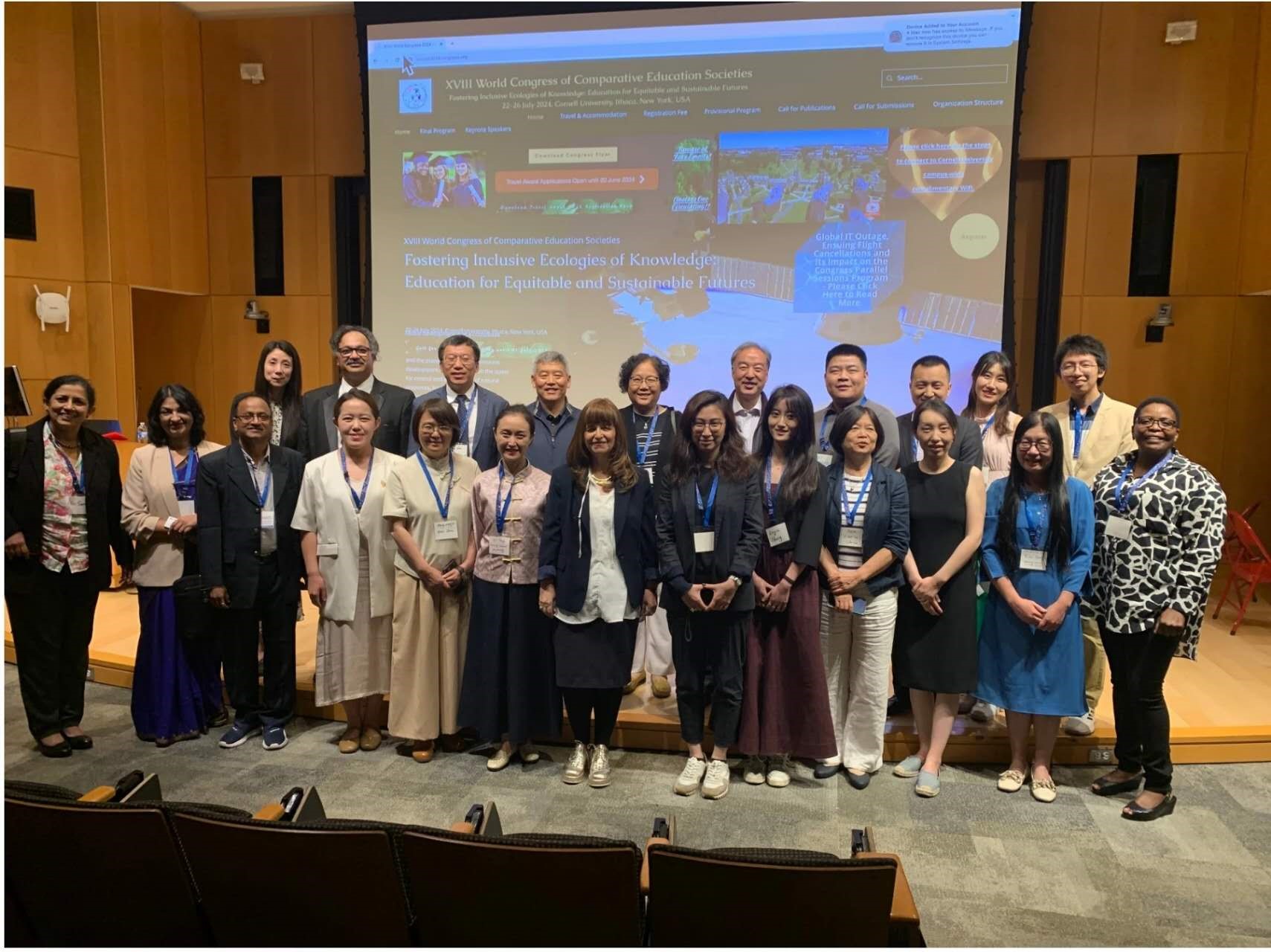
The congress was conducted in a hybrid format, featuring 78 parallel sessions and attracting nearly a thousand experts and scholars from around the globe. During one of the parallel sessions, Luo Honghai, a PhD student in Education (Class of 2020), delivered a presentation titled "A Study on the Adaptability of Postgraduate Education Structure and Industrial Structure in China's Pearl River Delta Region under the Perspective of Industry-Education Integration."
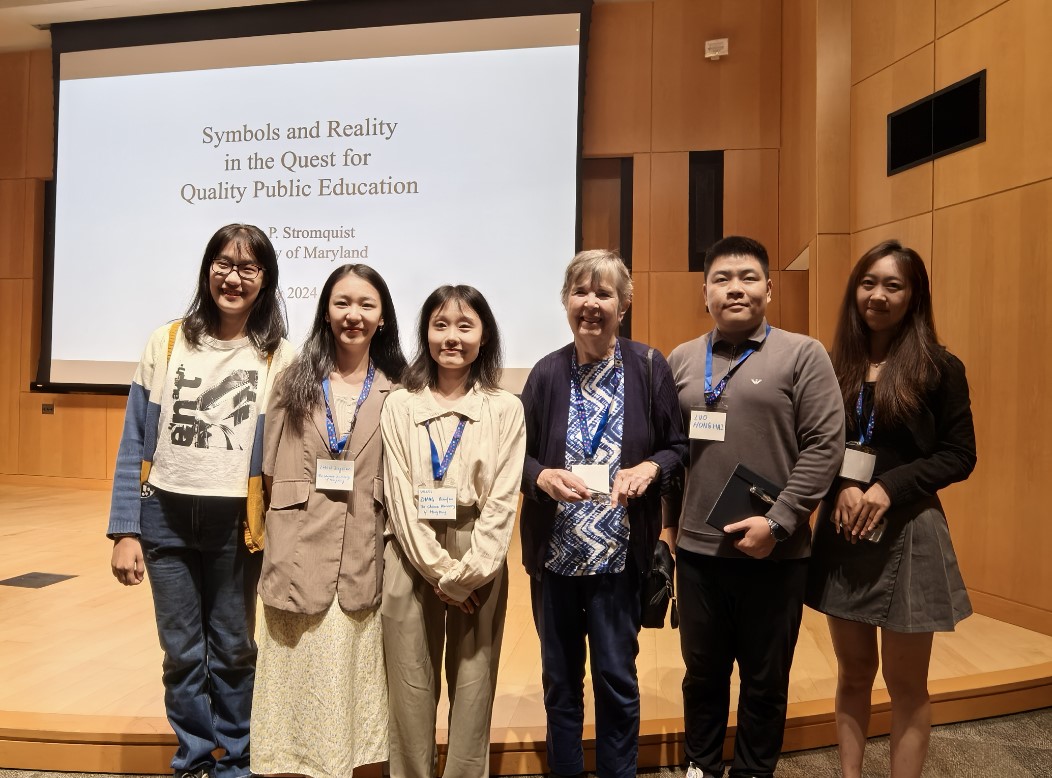
The integration of industry and education is a vital pathway to resolving the mismatch between industrial demand and talent supply. This study aims to explore the adaptability of the postgraduate education structure to the industrial landscape in China's Pearl River Delta (PRD) region through the lens of industry-education integration. Addressing this issue is of great significance for enhancing regional industrial competitiveness and educational quality. Utilizing methods such as literature analysis, case studies, and empirical analysis, the research conducts an in-depth examination of the theoretical foundations and practical realities of industry-education integration. Furthermore, it investigates the interactive dynamics between universities and industrial sectors across the PRD region. Building on this, the study employs statistical methods to develop and test quantitative models that reveal the mechanisms and key factors influencing the adaptability of the postgraduate education structure to the industrial landscape.
The World Congress of Comparative Education Societies is held every four years. This year’s congress was jointly convened by the World Council of Comparative Education Societies (WCCES) and UNESCO, under the theme "Fostering Inclusive Ecologies of Knowledge: Education for Equitable and Sustainable Futures."
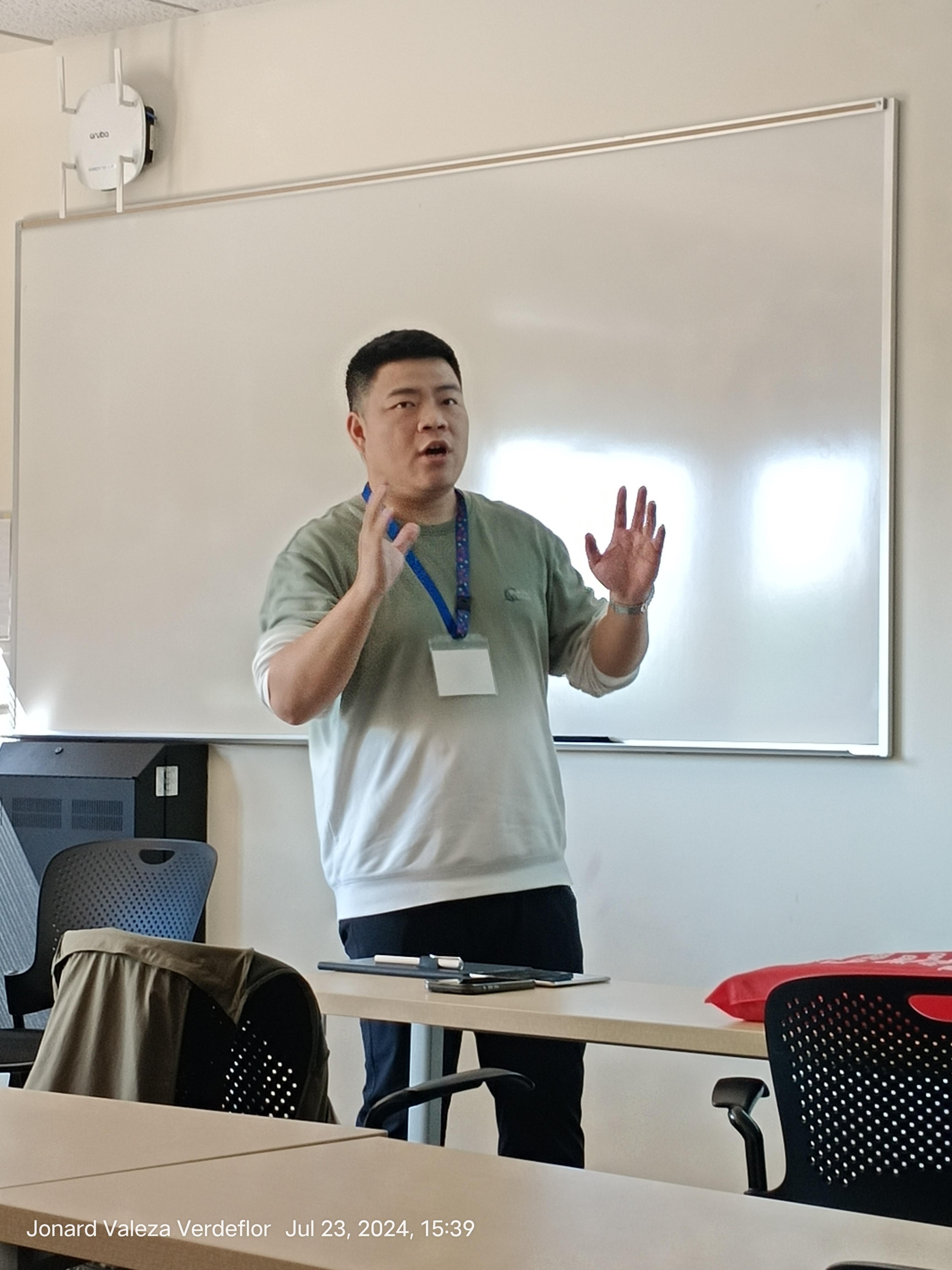
During the congress, based on his latest research findings, Luo Honghai engaged in extensive and in-depth academic exchanges and discussions with international colleagues in the field of comparative education regarding how education can facilitate the alignment between postgraduate training and industrial needs.