

The School of Education at the City University of Macau has been officially notified by the Science and Technology Development Fund (FDCT) that the project "Research on Atomic Layer Deposition (ALD) Oxide Semiconductor Thin-Film Transistors (TFTs) and Their AMOLED Displays," led by Assistant Professor Dai Yi and Associate Professor Peng Jun, has been approved under the 2024 Guangdong-Macao Joint Funding Program for Science and Technology Innovation. This marks the second time this year that the School of Education, under the leadership of Dean Cheng Li-Ying, has secured FDCT funding, following the approval of a research project on "Eye-Protection Learning Devices Based on Remote Imaging Screen Technology" in May. This achievement is a testament to the team’s collaborative efforts and highlights the School’s strategic focus on Smart Education and Educational Technology, showcasing the university's continuous success in interdisciplinary research at the intersection of education and technology.
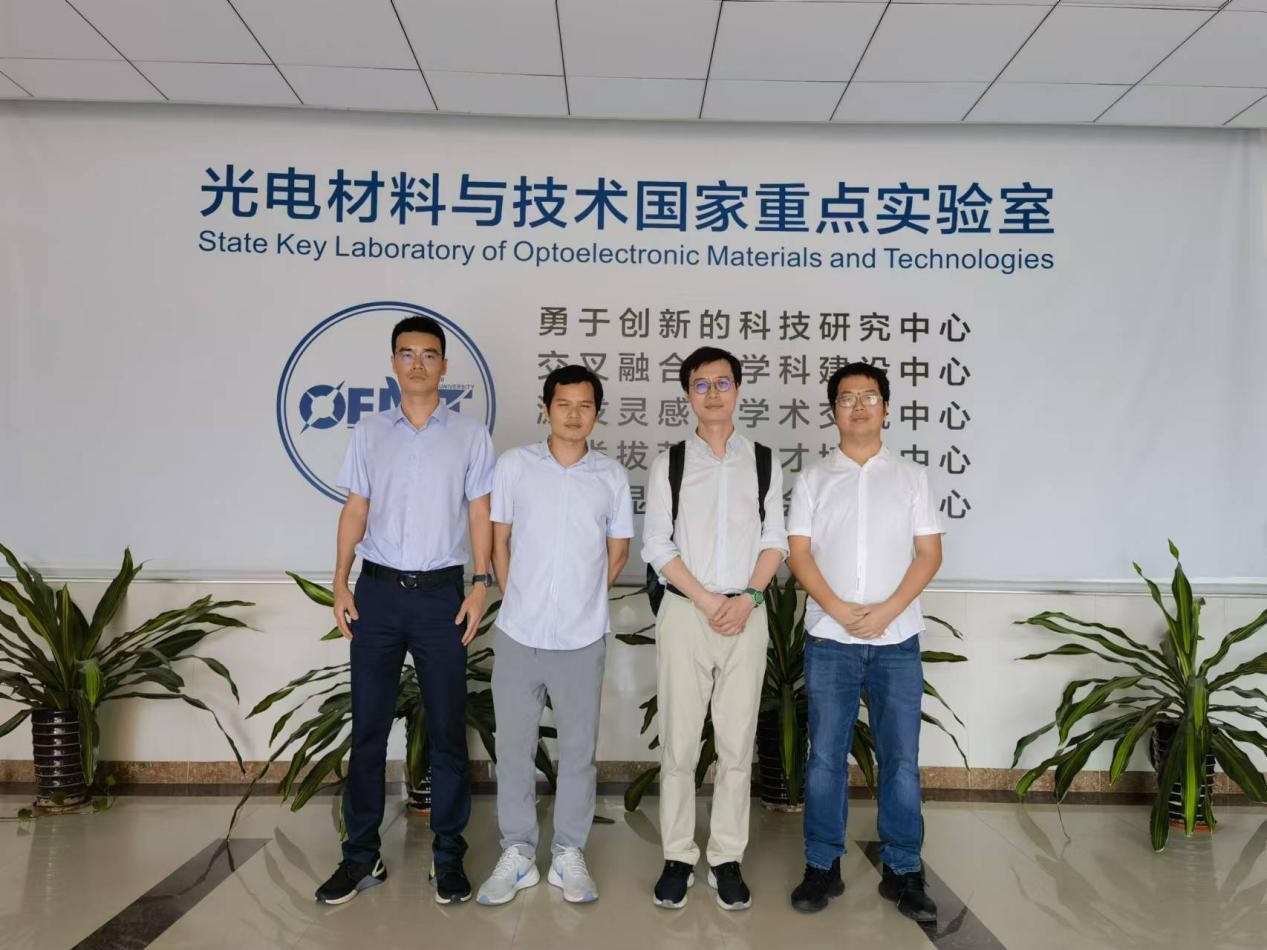
The project is jointly organized by the Department of Science and Technology of Guangdong Province and the FDCT, with proposals evaluated by a joint panel of experts from both regions. Project lead Assistant Professor Dai Yi established a collaborative research team comprising the School of Electronics and Information Technology at Sun Yat-sen University, the School of Physics and Optoelectronic Engineering at Foshan University, and leading industry enterprises. The team brings a robust research foundation, having previously won the First Prize of the Guangdong Provincial Science and Technology Award (2018) and the Second Prize of the Guangdong Provincial Science and Technology Progress Award (2021), alongside two national invention patents.
Project Overview
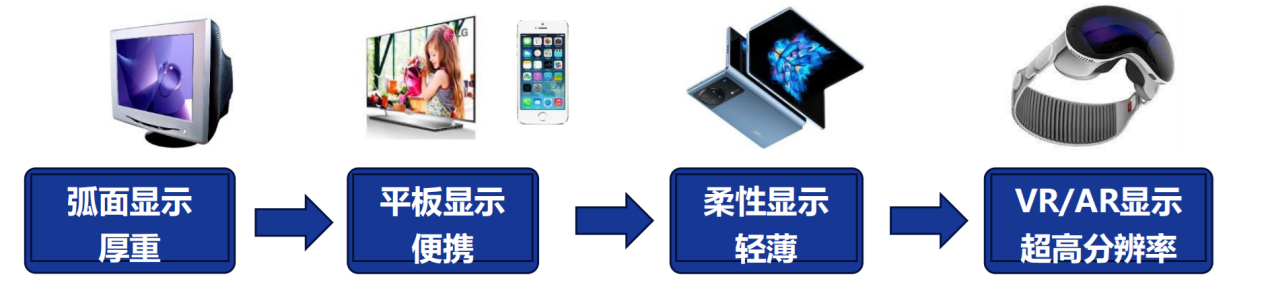
The evolution of mobile smart terminals, AR, and VR devices is driving the display industry toward higher resolution, seamless switching between ultra-high and ultra-low refresh rates, low power consumption, and flexible/foldable capabilities. These advancements place increasingly stringent performance requirements on Thin-Film Transistor (TFT) devices:
◆ High Mobility: Essential for high resolution, high response speeds, narrow bezels, reduced Integrated Circuit (IC) count, and low power consumption.
◆ Low Leakage Current: Enables low refresh rates (low power) and intelligent functionality.
◆ Amorphous Thin Films: Ideal for large-scale applications.
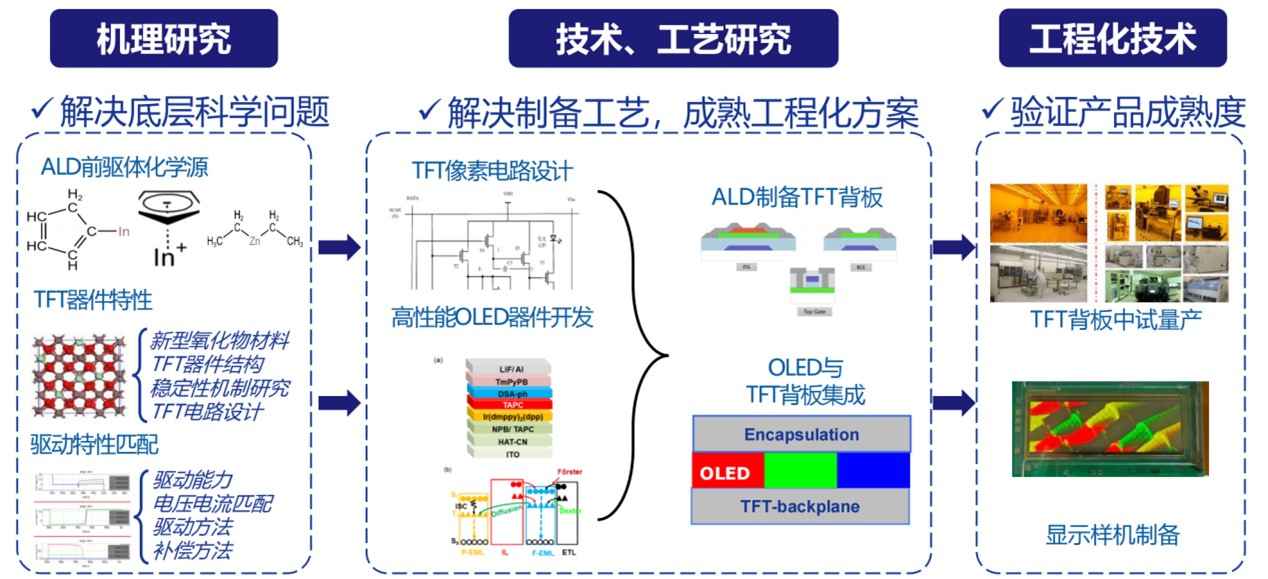
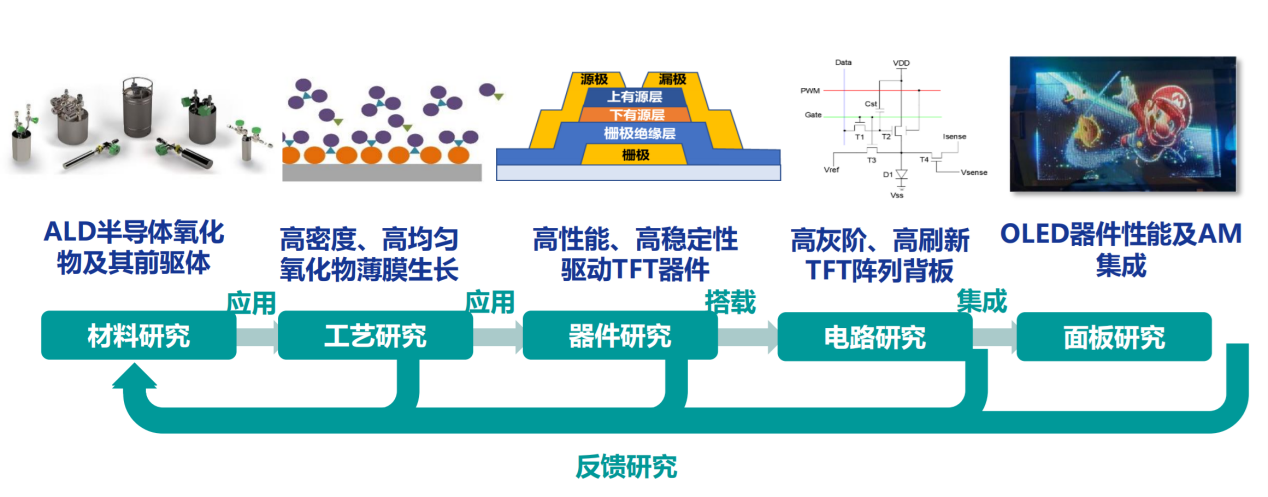
This project aligns with these industry trends by addressing the scientific and technical challenges of integrating high-performance oxide TFT backplanes, fabricated via Atomic Layer Deposition (ALD), with OLED display drivers. By innovating in new materials, structures, and processes, the team aims to develop a next-generation oxide backplane driving technology suitable for OLED applications.
Research Objectives
The research team at the City University of Macau is primarily responsible for the simulation and modeling of TFT devices, focusing on:1)Utilizing TCAD (Technology Computer-Aided Design) to analyze oxide TFTs prepared by ALD technology;2)Establishing a "Calculation-Experiment-Database" material model.
Technology Roadmap
Project Significance
The project closely aligns with the national strategic demand for sustainable development in the display industry. By leveraging the combined strengths of Guangdong and Macao, the project aims to develop high-mobility oxide semiconductor transistors that meet future trends. The research positions itself at the forefront of next-generation TFT driving materials and processes, contributing to the localization and domestic substitution of display materials in China.
Principal Investigator’s Insights
Assistant Professor Dai Yi remarked that the next five years will be a critical period for independent innovation, domestic substitution, and industrial upgrading of new display materials and equipment in China. Currently, the intellectual property for the industry-standard PVD (Physical Vapor Deposition) process is largely monopolized by early entrants (Japanese and South Korean enterprises), and PVD equipment is controlled by major foreign corporations with tightening export restrictions.
In this context, China’s development of industrially viable ALD process solutions is crucial for exploring new technical fields and breaking through existing IP barriers. This will drive domestic enterprises—especially those in the Greater Bay Area—engaged in ALD equipment development, fostering the growth of the local industry. Furthermore, this project represents an innovative leap in underlying hardware technology, building upon the previous FDCT project (Eye-Protection Learning Devices). Assistant Professor Dai also expressed his gratitude for the excellent research atmosphere at the City University of Macau, which has provided strong support for the team’s proposal and ongoing research.
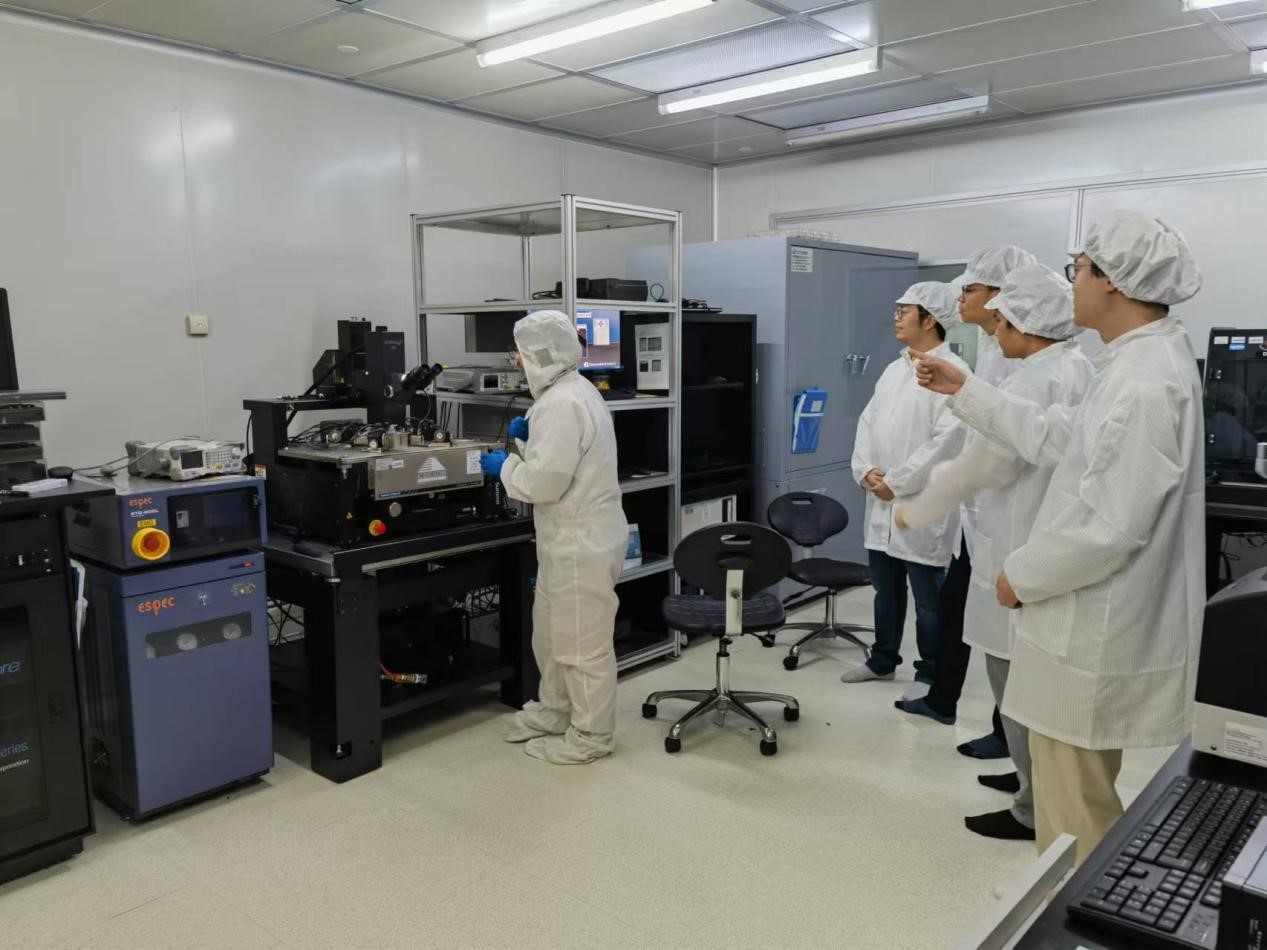
Joint Research Team and Laboratory of the Project